

The 20th Century Fox Hour s1e06 “The Miracle on 34th Street” (1955) — A typical example of 1950s anthology television that is watchable, but nothing special.
+ TV episode, bw, 46m
Project #2: 2024 Christmas Leftovers
Project #5: 2025 Christmas Leftovers
⬅️Previous (all sections) | Next (all sections) ➡️
B ^
Family Suitability
+ ✅3️⃣ OK for older kids. (Grades 4+) | TV-PG
Alignment with Judeo-Christian Values
+ ⛔1️⃣ Subpar/Slightly Unfavorable
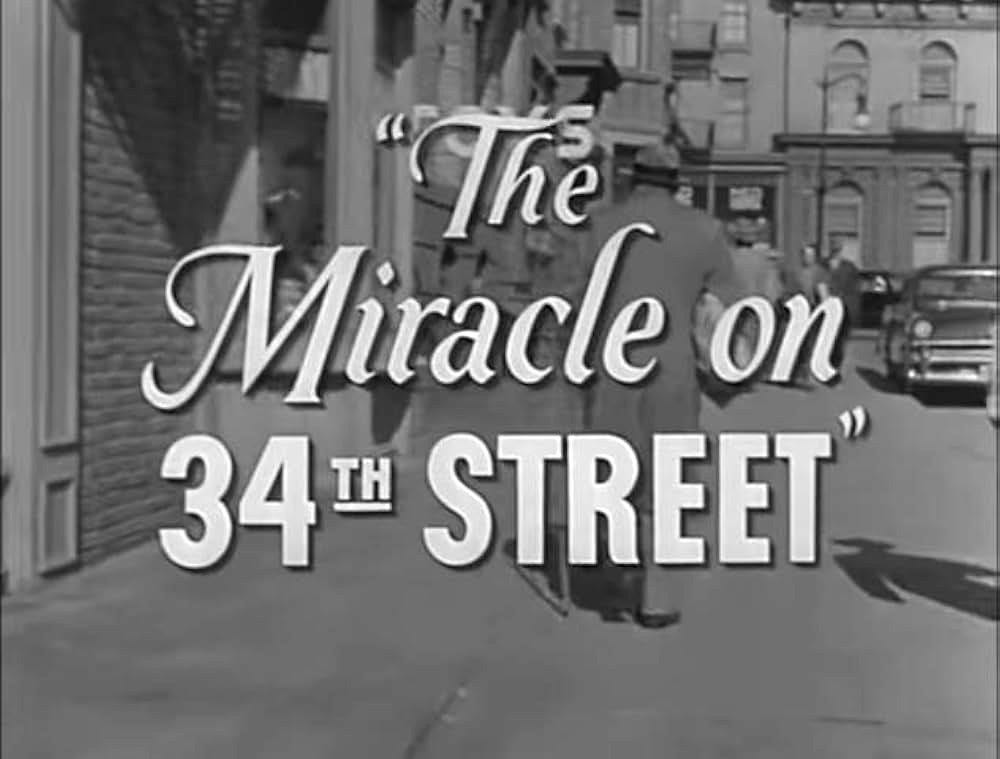
+ Based on feature film, Miracle on 34th Street❗🔙🔜 ⭐ story by Valentine Davies, screenplay by George Seaton
+ Episode #6/37 of The 20th Century Fox Hour ⭐
+ Episode #6/18 of The 20th Century Fox Hour, season 1 ⭐

The 20th Century Fox Hour s1e06 “The Miracle on 34th Street” (1955)
Grade: B ^ (1.0) / HOF: 0
EQ 👍B+ | 📖B+ 👥B 📽️B 🎼B
DW 🚫5.7 | 🌚5 🌝9
POPCAP 💯n/a 🍿n/a 🧢n/a
L-R ☮️n/a ◀️n/a ▶️n/a 🛐n/a
In the early days of television, anthology TV series were common, adapting well-known stories from literature, cinema and radio to bring to TV audiences.
This episode of The 20th Century Fox Hour is a typical example. Titled “The Miracle on 34th Street” and based on the 1947 film Miracle on 34th Street, this TV episode adds a “The” to the title and removes half of the screenplay.
Miracle on 34th Street (1947)

Miracle on 34th Street (1947) — Might be more aptly titled Santa on Trial.
The teleplay for this version is taken directly from the screenplay, so the main plot remains the same with key scenes word-for-word identical.
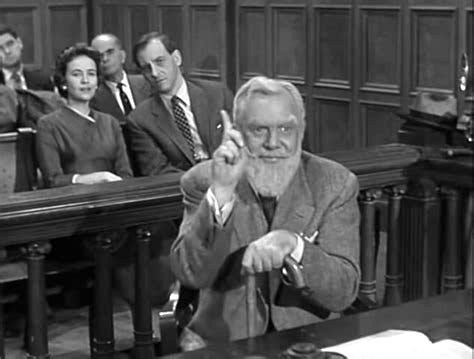
So, as I wrote in the source review: “Miracle on 34th Street is a story of the real Santa Claus visiting New York City and taking a job as a department store Santa. At least he claims to be the real Santa. Eventually he wins over a skeptical little girl he crosses paths with, but his real test is when he must establish in a courtroom that he’s not just a crazy old man.”
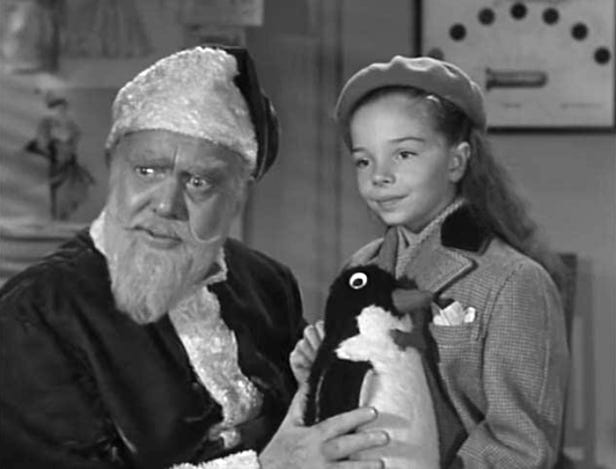
Despite the story being the same as the source film, the performances aren’t as good. TV budgets and the lack of prestige compared to cinema probably couldn’t attract the best acting talent in those days.
The cuts in the story, while not the most important scenes, play havoc with the pacing, and in general make the end result both less dramatic and also less comedic.
The only cut worth giving a slight nod in its favor, is that removing the drunk false Santa at the Macy’s parade might be approved by some parents.
An addition compared to the film was something which particularly displeased me. The teleplay writer doubles down on the screenplay writer’s characterization of faith as “believing in something when common sense tells you not to”, giving that line to two characters, not just one.
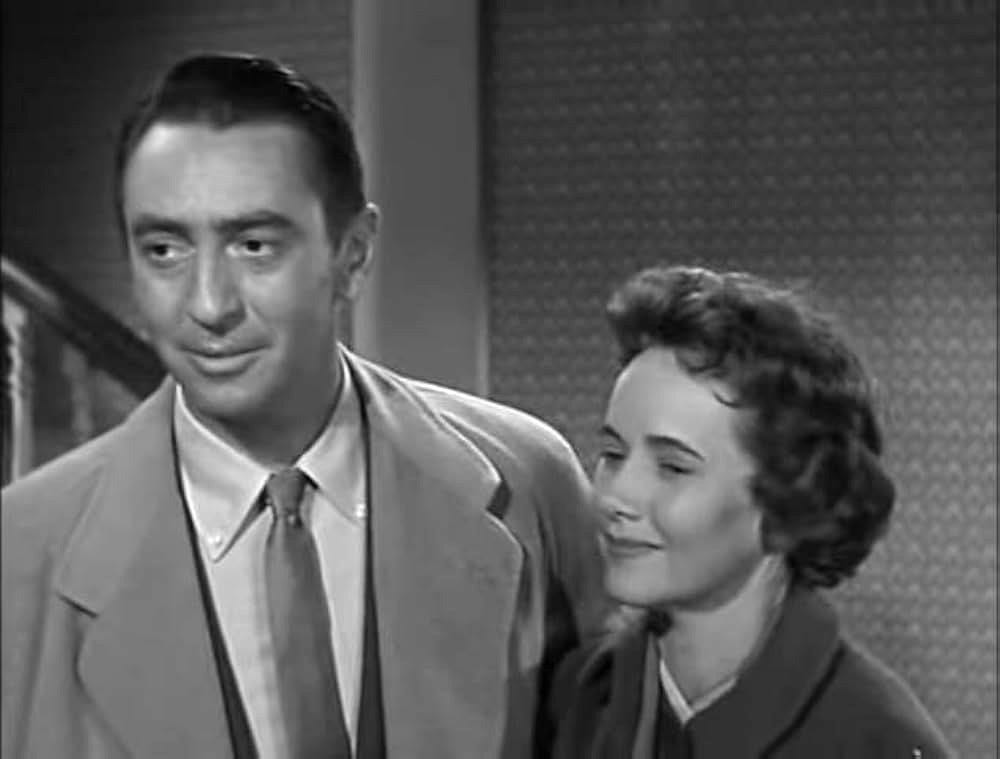
In the movie, that flew in the face of the character arcs portrayed. The characters in the film gain their faith because their common sense tells them to believe all the evidence they see with their own eyes. But this shortened version deletes most of that evidence, so we’re left with a story that advocates a romanticized, irrational and non-Christian view of faith.
There was one small addition to the film that I did find positive. In the movie, there’s a brief scene where Kris Kringle strikes the store psychologist landing himself in a psychiatric hospital. In the television episode, that scene is relocated to a “progressive” children’s school, where it slightly increases the Dark Whimsy of the story.
The increase in Dark Whimsy mainly comes from a slight uptick in the Dark scale reading thanks to the Dark in that particular scene. While the Whimsy reading is the same as the original film, if it were not for the added Whimsy found in that scene, the Whimsy reading probably would have dropped compared to the original film. Since it’s a significant improvement over the original, that scene is entertaining enough to suggest fans of the movie might want to take a look. This episode can be viewed on YouTube, and the scene I’m recommending starts at about the 23-minute mark and goes for about two-and-a-half minutes.
I don’t really recommend the rest of the episode—not when the much better film can be watched instead. Unless, of course, you are like me and want to see every version and compare them to each other. 😉
Onwards!
+ last viewed (2) 2026-01-03, sd7, 1.33, 1D
+ first viewed 2024-12-28, sd7, 1.33, 1D
+ 👨👩👧👦🎈🦃🎄🎅⚖️🦄🧙😏😥🥸
Family Suitability Detail
+ ✅3️⃣ OK for older kids. (Grades 4+) | TV-PG
+ 😡+4 😵💫+4 🤬+4 🫢+2^ 🫣+4
Judeo-Christian Values Detail
+ ⛔1️⃣ Subpar/Slightly Unfavorable
+ ✝️ -1 ➕❤️ ➖😍😍😍(❤️🩹)
+ ✡️ -0 ➕(🌗)🤍🤍 ➖😍😍😍(🖤)
+ 🗽 +0 ➕🗽📜🇺🇸⬜🏛️ ➖😍😍😍💻💲
Watch on YouTube:
Please do not include spoilers in the comments.
Spoilers are permitted in the Chat for this work.
⬅️Previous (all sections) | Next (all sections) ➡️